
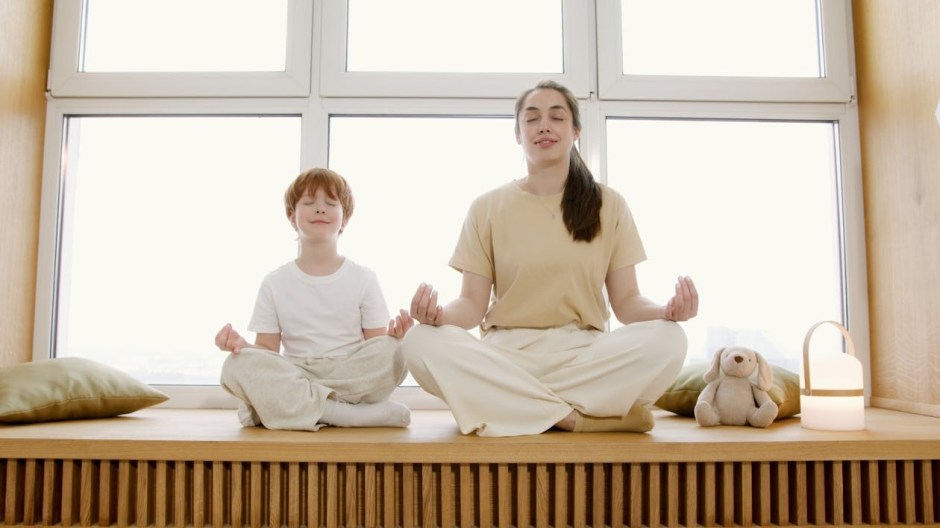
Busy parents juggling school schedules, work demands, and everyone’s needs often notice something unsettling when the season shifts: emotional balance slips, patience runs thin, and family wellness starts to feel like one more item on the list. Parenting stress doesn’t always come from big crises; it can build quietly when routines change, daylight fades, or the calendar fills up. In those moments, chasing perfect work-life harmony can leave caregivers feeling behind before the day even begins. Seasonal self-care offers a steadier way to reconnect with what a family truly needs right now.
Understanding Seasonal Self-Care That Sticks
Seasonal self-care means adjusting small care habits as the year changes, so your home stays steady through shifting weather, light, and schedules. Think of it as adapting self-care habits to fit what your family needs right now, not forcing the same routine year-round. Add simple family rituals, plus “memory anchoring” so the season itself reminds you what to do.
Why it matters: families often do better with rhythms than rules. A few repeatable touchpoints can calm emotions, lower conflict, and make space to notice God’s steady presence in ordinary days. For example, when fall arrives, you light a candle at dinner, share one gratitude, and take a five-minute walk. Soon, cooler evenings become your cue, and the ritual becomes automatic.
Seasonal Habits Your Family Can Repeat
Small, repeatable practices build trust in your home because everyone knows what to expect. When you pair seasonal cues with faith, you grow steady joy over time without adding pressure.
Spring Reset Basket
- What it is: Keep one basket for sunscreen, allergy wipes, and a “fresh start” note.
- How often: Weekly refresh
- Why it helps: It reduces morning friction and supports calmer transitions.
Summer Water and Wonder Check
- What it is: Do a two-minute water break, then name one “God sighting” outdoors.
- How often: Daily
- Why it helps: It re-centers attention on gratitude instead of complaints.
Fall Feelings Forecast
- What it is: Use emotional regulation skills by naming a feeling and one needed support.
- How often: 3 times weekly
- Why it helps: It lowers reactivity and helps kids feel understood.
Winter Light and Prayer Pause
- What it is: Turn on a lamp, breathe slowly, and pray one sentence for each person.
- How often: Daily at dusk
- Why it helps: It steadies moods when days feel heavy.
Sunday Season Preview
- What it is: Choose one meal, one outing, and one rest practice for the week.
- How often: Weekly
- Why it helps: It protects margin and keeps expectations realistic.
A Year-Ahead Rhythm You Can Actually Keep
This workflow turns good intentions into a faith-shaped family pattern you can repeat all year. Instead of chasing the perfect plan, you capture what matters, choose one small practice for the season, and keep it visible so everyone can participate. It also honors how bodies and habits shift through the year since research on seasonal changes in weight suggests our routines can drift with the seasons.
| Stage | Action | Goal |
| Notice | Track energy, stress points, and what helped this week | A clear picture of your real family rhythm |
| Gather | List meaningful dates, school demands, and church commitments | Fewer surprises, more realistic expectations |
| Choose | Pick one seasonal habit with a tiny “minimum version” | A practice you can do on hard days |
| Place | Add it to a visual year-ahead family photo calendar | Gentle reminders without nagging |
| Practice | Use a simple cue time and keep supplies ready | Consistent follow-through in ordinary moments |
| Review | Do a monthly check-in and adjust without guilt | A living plan that fits your current season |
Each stage supports the next: awareness keeps choices wise, visibility keeps follow-through light, and review keeps the plan kind. Over time, your calendar becomes less of a task list and more of a shared story of care.
Seasonal Self-Care Questions Busy Parents Ask
Q: What if self-care feels selfish when my family needs me?
A: It is not selfish to refill what you pour out. The reminder that self-care isn’t about neglecting others can help quiet the guilt, especially for faith-minded parents. Try a two-minute reset you can offer to God: breathe, pray one sentence, drink water.
Q: How do we start when we have zero extra time?
A: Choose the smallest version of one habit that fits your current schedule. Link it to something you already do, like after brushing teeth or during school pickup. Consistency beats intensity.
Q: When motivation disappears mid-season, what should I do?
A: Lower the bar and return to your minimum version for one week. A simple needs assessment can reveal whether you need more sleep, support, or a lighter commitment. Keep the next step tiny and specific.
Q: Can self-care include my kids instead of adding another solo task?
A: Yes, and it often works better that way. Pick one shared practice like a five-minute walk, worship music while tidying, or a bedtime gratitude round. Let kids help choose so they feel ownership.
Q: Should we say no to activities during busy seasons like holidays or sports?
A: Sometimes the most loving choice is a clear boundary. You can decline an invitation and protect one calm anchor in your week. Explain it as a family value, not a punishment.
One Small Seasonal Self-Care Rhythm That Builds Family Joy
When family life is full, self-care can feel like one more demand you can’t keep up with, especially as seasons change and energy shifts. A gentler approach, ongoing self-care built on small, grace-filled resets, keeps seasonal wellness simple enough to return to again and again. Over time, those tiny choices soften stress, strengthen emotional resilience, and make more room for family joy on ordinary days. Gentle self-care is the faithful practice of starting again, one season and one small choice at a time. Choose one tiny shift this week and let it be “good enough” for now. That steady rhythm matters because it becomes a source of stability your family can lean on in every season.
Discover a wealth of resources for personal growth and wellness at Be as One, where you can find practical guides and inspiring stories to help you achieve balance and harmony. Be sure to visit Julie’s website at juliemorris.org.
Read my other blog, Louisa May Alcott is My Passion

NEW MUSIC!
Susan’s new release, Amazing Grace” is now available!
Available on Amazon, Spotify, iTunes and YouTube



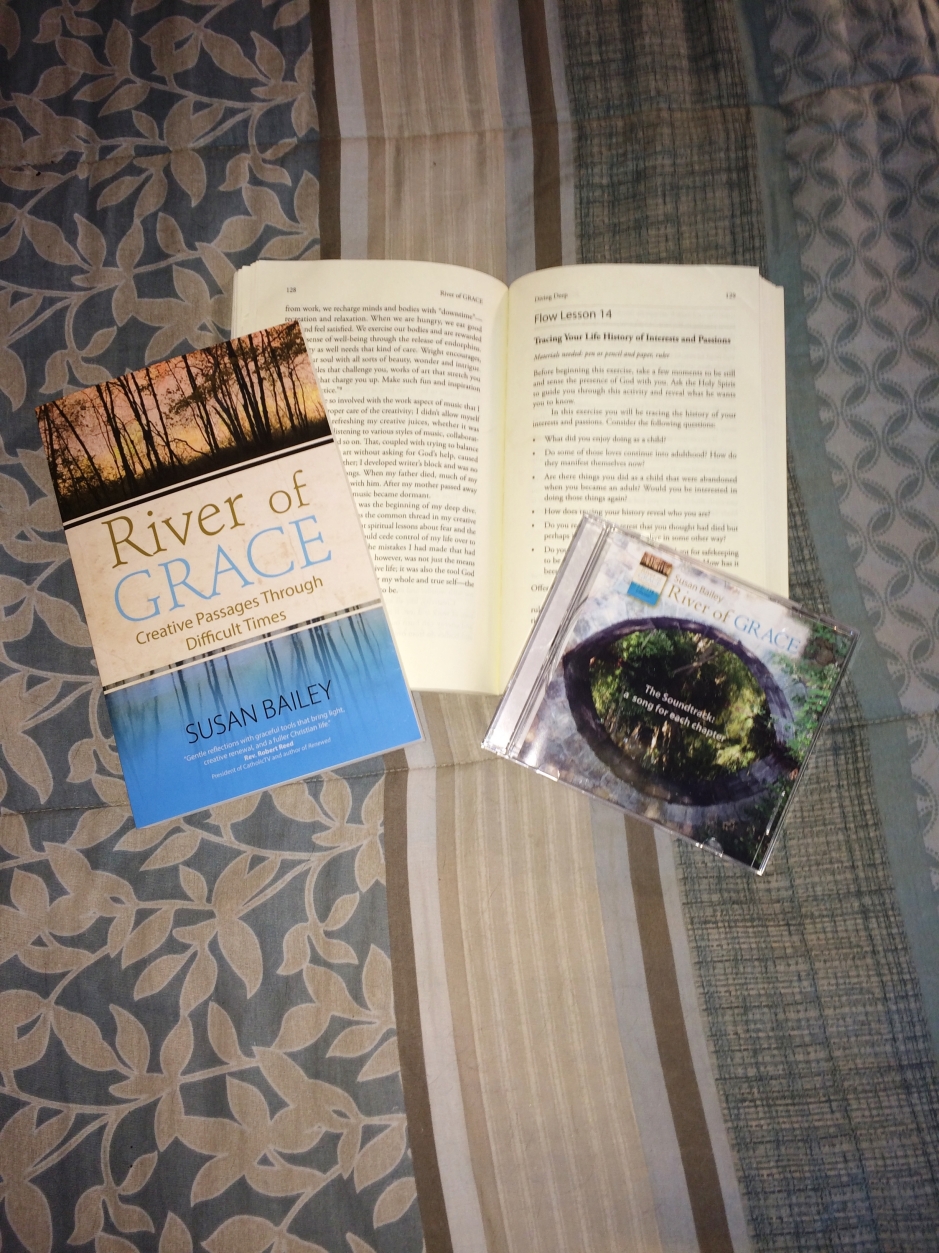
River of Grace Audio book with soundtrack music available now on Bandcamp.
Listen to the preface of the book, and all the songs.
 Many people find coloring to be a wonderful way to relax and experience harmony in their lives. Is that you? Join my Email List to subscribe to this blog and receive your free Harmony coloring book (and more).
Email List link: http://eepurl.com/U-4YTjulie








 Be as One