How to Build Your Child’s Confidence and Independence Every Day

Guest post by Julie Morris

Image via Freepik

Busy parents and caregivers who want to know how to build confidence in children often end up second-guessing every choice. The core tension is real: adult stress, imposter syndrome, and the pressure to “get it right” can crowd out the steady emotional support for children that makes child self-confidence stick. When children don’t feel capable, small setbacks can feel huge, and a healthy children’s positive self-image can start to wobble. With the right mindset, parental empowerment becomes the foundation for building child resilience at home.

What Self-Confidence Really Means for Kids

Self-confidence in children is simply their belief they can handle a task or situation. Child Mind Institute calls it a belief in one’s ability to succeed, even when something feels new. Self-esteem grows over time from repeated experiences of being valued, trying things, and recovering when attempts flop.

This matters because confidence is not a personality trait kids either have or lack. It is a pattern you build through daily messages: you are safe, you are loved, and you can learn. Riverstone Mental Health describes true confidence as feeling secure and capable of growing, which supports a growth mindset.

Picture your child struggling with shoes. Instead of rescuing, you coach one step, praise effort, and treat mistakes as practice reps. With that foundation, simple daily strategies start building independence right away.

6 Kids Self-Esteem Tips and Coaching Moves to Build Confidence Fast

Confidence grows when kids get two messages over and over: I can learn this and I can handle myself. Use these simple coaching moves in daily life, no big speeches required.

  1. Praise effort, not the trophy: When you focus on the process, your child learns that ability is something they build, not something they either “have” or “don’t.” The idea that praising children’s effort promotes a growth mindset means you can swap “You’re so smart!” for “I saw you keep trying different ways, what helped you stick with it?” Do it right after the effort, not hours later, so they connect persistence with progress.
  2. Offer two good choices (and let them choose): Child independence at home strengthens when kids practice decision-making in low-stakes moments. Start small: “Do you want the blue shirt or the green one?” or “Homework before snack or after?” If they freeze, give a quick prompt, “What’s your first guess?”, then respect the choice and let the natural outcome teach.
  3. Create one “new thing” slot each week: Confidence comes from evidence, and evidence comes from trying. Pick a 20–30 minute weekly slot for exploring a new activity: a new park route, a beginner art tutorial, a different sport in the backyard, helping cook a new recipe. Keep it light and temporary, “We’re just sampling”, so trying doesn’t feel like committing.
  4. Normalize setbacks with a simple script: When something goes wrong, aim for calm and clarity: name it, validate it, then pivot. Try: “That was disappointing. It makes sense that you feel upset. What’s one tiny step we can try next?” This keeps setbacks in the “learnable” category and protects the growth mindset you’re building.
  5. Celebrate small wins, out loud and in writing: Big achievements are rare; progress happens daily. A quick note on the fridge or a bedtime recap, “You read that page more smoothly than yesterday”, helps your child notice growth and trust their own effort. The habit to celebrate small wins works best when you praise specifics: persistence, improvement, and the strategy they used.
  6. Reflect their uniqueness like it’s a strength: Confident kids feel safe being themselves. Once a day, mirror a trait you genuinely appreciate, “You notice details I miss,” “You’re gentle with younger kids,” “Your jokes bring lightness to our house.” Then connect it to responsibility: “That eye for details, can you be our ‘packing checker’ today?”

Common Parent Questions, Answered Simply

Q: How can I encourage my child to develop confidence even when they face failures or setbacks?
A: Keep the message steady: mistakes mean “learning,” not “less.” Try a quick daily rhythm: a 30-second connection check-in, one brave try (small and specific), then a growth-mindset reflection like “What did you practice today?” If worry runs deeper, self-esteem supports can matter for mental wellbeing over a 3-month follow-up.

Q: What are some practical ways to help my child make independent decisions appropriate for their age?
A: Offer one “choice moment” every day with two options you can genuinely accept: clothes, snack, homework order, or play plan. Name the boundary once (safety, time, money), then let them decide and experience the result. Later, ask one review question: “What would you keep the same next time?”

Q: How do I support my child in embracing their unique qualities without comparing them to others?
A: Describe what you notice in concrete terms, not labels: “You stuck with that puzzle for ten minutes.” Build identity with “strength roles” at home (organizer, helper, idea-maker) so they feel needed, not rated. When comparison shows up, redirect to “your path” by asking what they want to improve for themselves.

Q: What strategies can help reduce family stress while fostering my child’s resilience and self-esteem?
A: Shrink expectations and repeat a calming routine: connection check-in, one doable responsibility, and one shared reset (music, walk, tidy sprint). Replace long lectures with short repair: “I got loud. I’m trying again.” For extra support, it can help to talk with a pediatrician, school counselor, or therapist if stress keeps spiking.

Q: If I want to start a small side business to better support my family, how can I handle the paperwork and legal steps involved efficiently?
A: Treat it like you want your child to treat big tasks: one tiny step a day. Make a simple checklist (business name, local requirements, taxes, basic contracts, separate bank account) and schedule one 20-minute admin block weekly. If you feel stuck, resources like ZenBusiness can help you stay organized with the essentials so home life stays calmer.

Sustaining Confidence and Independence With One Small Weekly Practice

When life gets busy, it’s easy to wonder if you’re doing enough, and to worry that one mistake might dent your child’s confidence. The steady approach here is simple: keep showing up with connection, respectful choices, encouragement for brave attempts, and a growth-minded way of talking about effort, so empowering children becomes part of everyday life. Over time, those small moments add up to stronger independence, better emotional recovery, and positive parenting outcomes that sustain child self-worth. Consistency builds confidence more than perfect parenting ever will. This week, you can pick one daily moment to repeat, one check-in, one choice, one brave try, and one short reflection, and keep it gentle and doable. That steady support becomes the foundation for resilience, security, and healthy relationships as they grow.

Be sure to visit Julie’s website at juliemorris.org.
Susan Bailey, Author, Speaker, Musician on Facebook and Twitter
Read my other blog, Louisa May Alcott is My Passion

amazing grace album cover
NEW MUSIC!
Susan’s
new release, Amazing Grace” is now available!
Available on Amazon, Spotify, iTunes and YouTube

00 cover smalllouisa cover smallimaginary-heroes_cover
Purchase Susan’s books.

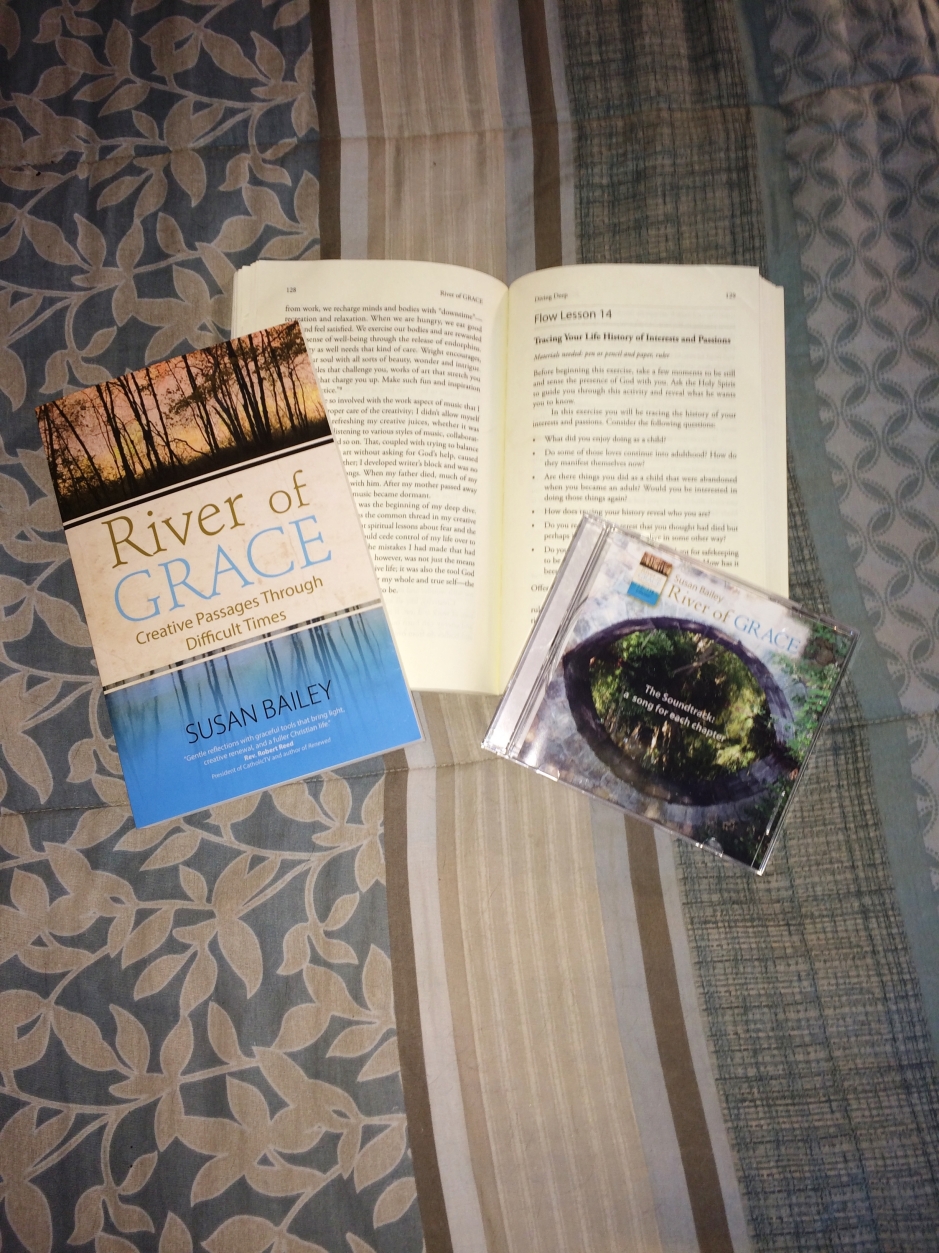
River of Grace Audio book with soundtrack music available now on Bandcamp.
Listen to the preface of the book, and all the songs.

How Families Can Invest in Their Overall Self-Care

Guest post by Julie Morris

Image via Freepik

Families are at their strongest when everyone feels healthy, grounded, and cared for. Yet between school drop-offs, packed calendars, and the daily grind, self-care can slip quietly into the background. It doesn’t have to. When families treat self-care as a collective priority — not just a personal indulgence — it becomes a way to deepen connection, reduce stress, and model resilience for kids. Here’s how you can make that shift, with actionable ways to start today.

Strengthening Bonds Through Movement

Nothing clears a room of tension like shared motion. Family walks after dinner, a bike ride on a Sunday afternoon, even an impromptu dance party in the living room — it’s less about the calories and more about the emotional release. Studies show kids mirror their parents’ habits, and adults benefit emotionally when you work out together. The energy shifts. Laughter comes easier. Suddenly, the idea of self-care feels less like an errand and more like a ritual everyone looks forward to.

Choosing the Right Supplements

As families aim to fill nutritional gaps and feel more energized, supplements can be a smart part of the equation. But it’s important to pick products that align with your values — clean, easy to use, and kid-friendly where possible. If you’re looking for helpful solutions, this is a good one to keep on hand as part of a well-rounded self-care approach. Taken daily, it can become one more small but meaningful way to invest in your family’s collective well-being.

Taking a Break from Screens

When was the last time your family sat in silence without a device in sight? It feels almost radical now, but it’s worth it. Even a single evening unplugged can shift the mood and open space for real conversation. One family described the difference a weekend screen-free reset made in reconnecting with their teens — the awkward silence gave way to stories, games, and even spontaneous plans. That kind of reset costs nothing yet pays off in presence, attention, and trust.

Investing in Yourself Without Guilt

Too many parents frame spending on wellness as a luxury. It’s not. Setting aside dollars for yoga, therapy, healthy food, or creative hobbies sends kids a powerful message: your well-being deserves a line item in the budget. A smart way to start is by building a wellness budget that factors in both short-term needs and long-term habits. Even a modest allocation each month can reduce guilt, prevent burnout, and keep you from sacrificing your health to everyone else’s demands.

Eating Well Without Overcomplicating It

For all the talk about superfoods and meal plans, family nutrition comes down to rhythm and intent. Keep it simple, keep it consistent, and keep it joyful. Start small — one or two weeknight meals everyone can count on, where vegetables and conversation are equally important. Parents who prioritize daily family meal routines find that kids pick up healthy eating patterns faster and resist less because they see it modeled. A stocked fruit bowl and a plan for who sets the table can work wonders.

Adding Layers of Calm

Sometimes the best thing a family can do is… pause. You don’t need a meditation app or a retreat to find your breath. Even five minutes sitting together, eyes closed, focusing on nothing but inhale and exhale, can shift a hectic evening into something quieter. One hospital recommends five-minute shared breathing exercises to help families cope with anxiety, proving how little time it really takes to recalibrate. It’s grounding, it’s free, and it builds resilience you can feel.

Building a Wellness Budget That Sticks

It’s easy to lose track of spending when it comes to “self-care splurges,” but intentional budgeting can turn impulse into strategy. A family that sets clear priorities — and ties those to specific financial actions — feels less conflict and more clarity when the credit card comes out. One parent said that by prioritizing wellness spend they finally stopped second-guessing whether to book the dentist, the therapy session, or the weekend away. It became an investment, not an indulgence.

Self-care doesn’t happen in isolation. When families treat it as something shared, it becomes easier — and much more powerful. Every moment you carve out for yourselves strengthens the foundation you all stand on. You don’t have to get it perfect. Start with what feels manageable, celebrate small wins, and keep going. It’s not just about feeling better today; it’s about teaching the next generation that they deserve care, too. And that lesson? It sticks.

Discover a wealth of resources and inspiration for personal growth and well-being at Be as One, where faith and creativity unite to help you live the life you truly desire!

Be sure to visit Julie’s website at juliemorris.org.
Susan Bailey, Author, Speaker, Musician on Facebook and Twitter
Read my other blog, Louisa May Alcott is My Passion

amazing grace album cover
NEW MUSIC!
Susan’s
new release, Amazing Grace” is now available!
Available on Amazon, Spotify, iTunes and YouTube

00 cover smalllouisa cover smallimaginary-heroes_cover
Purchase Susan’s books.

River of Grace Audio book with soundtrack music available now on Bandcamp.
Listen to the preface of the book, and all the songs.

00 harmony color book featured imageMany people find coloring to be a wonderful way to relax and experience harmony in their lives. Is that you? Join my Email List to subscribe to this blog and receive your free Harmony coloring book (and more).

Save

“River of Grace:” a book of hope during this difficult pandemic

River of Grace: Creative Passages Through Difficult Times was my first book, written in 2015. In the book I reflect upon suffering in my life which included the deaths of my parents and the loss of my singing voice. By trusting in God even when I had no idea where He was leading me, I experienced transformation as a result of the creative power of grief.

River of Grace provides powerful personal stories of loss and grief along with creative ways to cope through trust and faith. It’s a book of hope during this difficult pandemic.

To give you a better idea of the nature of River of Grace, I invite you to watch/listen to a 40 minute presentation on the book which also includes some songs that amplify the meaning.

Where to order River of Grace

My publisher, Ave Maria Press, is holding a Labor Day Weekend sale — go to their website for 10% off the purchase price.

Visit www.avemariapress.com/products/river-of-grace.

Creating room—the conundrum of the empty nest

The long Christmas break is over and the letdown is leaving me a bit melancholy. The stretching of the heart that comes with the empty nest made full, and then made empty again, hurts.

Both of our adult children were home for the holidays. Our daughter spent both Christmas Eve and morning with us despite the fact that she also needed to see her fiancé’s family (she got engaged in November). Our son spent the week with us, having come up from New York.

Each time they come it’s an adjustment, requiring me to make room, not just in my house, but in my heart. Of course I do it without hesitation, but it is still an adjustment. It took me ten years to get to where I enjoy the empty nest.

The room is made and is filled only to be emptied again; it continues to surprise me how much it still hurts when they go away. Eventually this room fades into the background, waiting for the next time it will be needed. Slowly the new life I began when they left the nest filters back in and it soothes my heart.

Robert S. Donovan empty nest,Flickr Creative Commons

This has been the conundrum for me with regards to the empty nest, this making room. I find it requires a heart that is vulnerable, supple and open. It requires a bit of courage, even for the creation of the smallest of rooms.

I distinctly remember the day I created that first room. All of a sudden the barriers came down and I announced to my husband that I was ready to have children. That moment came after several years of chasing a dream of being a professional musician, an all-consuming passion. I soon found out that motherhood is equally all-consuming; something had to give. I sold off my recording equipment, put the guitar away and immersed myself in my babies. It was not a hard choice. Love facilitates room-building

Gareth Saunders Bedroom in the sunshine, Flickr Creative Commons

After five years the desire to write and record songs returned and it became a painful tug of war. Creative work requires large blocks of quiet time and as any mother knows, that time is non-existent, especially if you also work outside of the home. There were plenty of moments of guilt and regret and before I knew it, my children were grown.

So many moments of great joy and pride. Moments of heartache and sorrow. My heart was exercised and stretched in ways I couldn’t have imagined.

Would I do it all again in the same way? Probably. Do I miss those childhood years? Very much so. Am I haunted by some leftover regrets? Sometimes. But it’s nice to have found a resting place in this empty nest.

In the meantime, I can enjoy the companionship of my grown children. Watching their burgeoning careers, enjoying pictures of the new apartment, marveling as they learn how to cook and make a home, meeting the significant others and reveling in the engagement and planning for the wedding all make for a rich post-childhood life. We share dreams and hopes for the future. The blossoming of my children into well-adjusted adults is an enormous blessing. As the song goes from The Sound of Music, somewhere along the way, “I must have done something good.”

Sara Björk The heart, Flickr Creative Commons

So, I will continue to make room. The stretching will continue to hurt but it makes for a strong muscle. And while waiting for the grandchildren, I will hug and kiss my cats in anticipation.

Diving deep into River of Grace with Elizabeth Reardon, host of “An Engaging Faith”

ad radio

In this in-depth hour-long interview: we dive deep into River of Grace – gratitude in the midst of difficult times – obedience as a joyful “yes” to new adventures, new life after loss and restoring the joy of living, life metaphors for grace … Also, a quick sneak peak at Louisa May Alcott: Illuminated by The Message! Elizabeth Reardon really did her homework! Check it out.

Visit An Engaging Faith on Facebook.

00 twitter profile 400x400both books river first-640Join my Email List (special surprises just for you!)
to subscribe to this blog.
Keep up with news and free giveaways regarding Susan’s new books, River of Grace
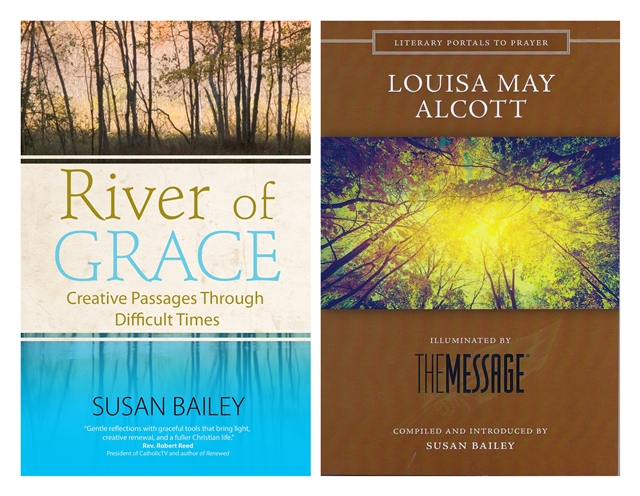
and Louisa May Alcott: Iluminated by The Message!
Susan Bailey, Author, Speaker, Musician on Facebook and Twitter
Read Susan’s blog, Louisa May Alcott is My Passion

Find Susan’s books here on AmazonPurchase Susan’s CD.